
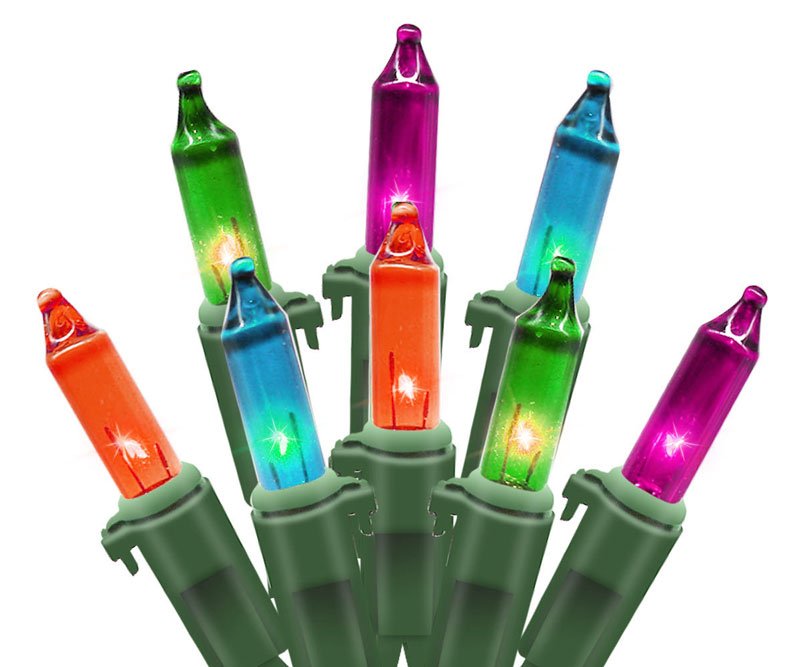
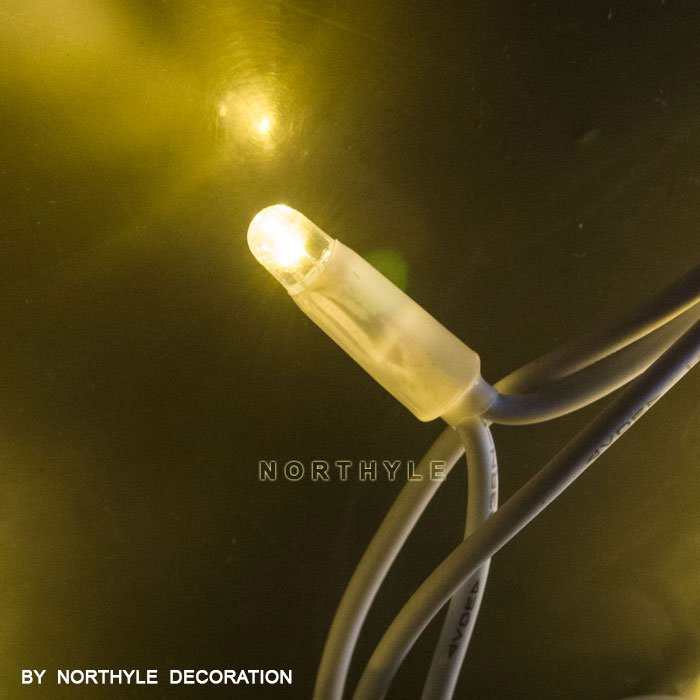
LED Christmas lights can be identified by several characteristics: they are typically cooler to the touch compared to incandescent lights, have a more vivid color appearance, and often have a smaller bulb size. Additionally, LED lights are labeled as such on their packaging, stating LED technology or energy-efficient attributes.
How it Works
LED Christmas lights utilize light-emitting diodes to produce illumination. Unlike incandescent bulbs, which burn a filament to emit light, LEDs generate light through the movement of electrons in a semiconductor material. This process is more efficient and results in less heat production. LEDs convert nearly all the energy into light, making them cooler and safer for extended use.
Pros & Cons
Advantages of LED Christmas Lights:
- Energy Efficiency: LEDs use significantly less power than traditional incandescent bulbs.
- Longevity: They have a longer lifespan, often lasting up to 50,000 hours.
- Durability: LEDs are more resistant to breakage due to their solid-state construction.
- Cool Operation: They remain cool to the touch, reducing the risk of burns or fire hazards.
Disadvantages of LED Christmas Lights:
- Initial Cost: Higher upfront cost compared to incandescent lights.
- Light Quality: Some users find the light color to be less warm than traditional bulbs.
Key Applications
LED Christmas lights are widely used in both residential and commercial settings. They are ideal for:
- Indoor Decorations: Used on Christmas trees, garlands, and wreaths for vibrant indoor lighting.
- Outdoor Displays: Suitable for outdoor installations, providing reliable performance in various weather conditions.
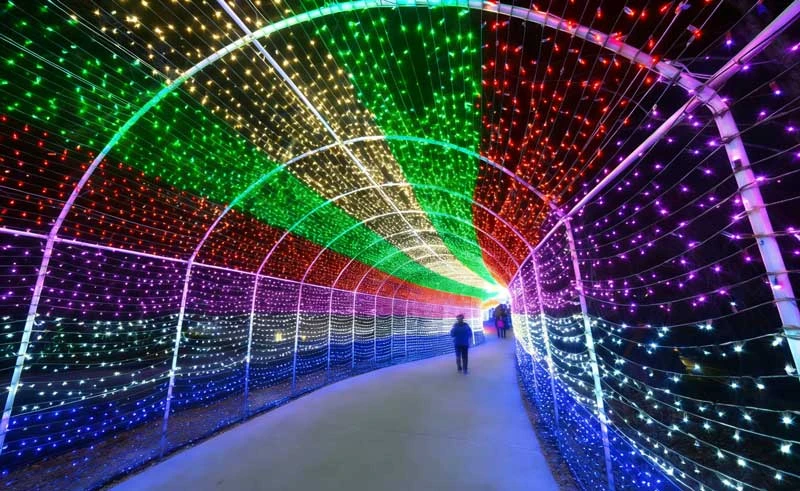
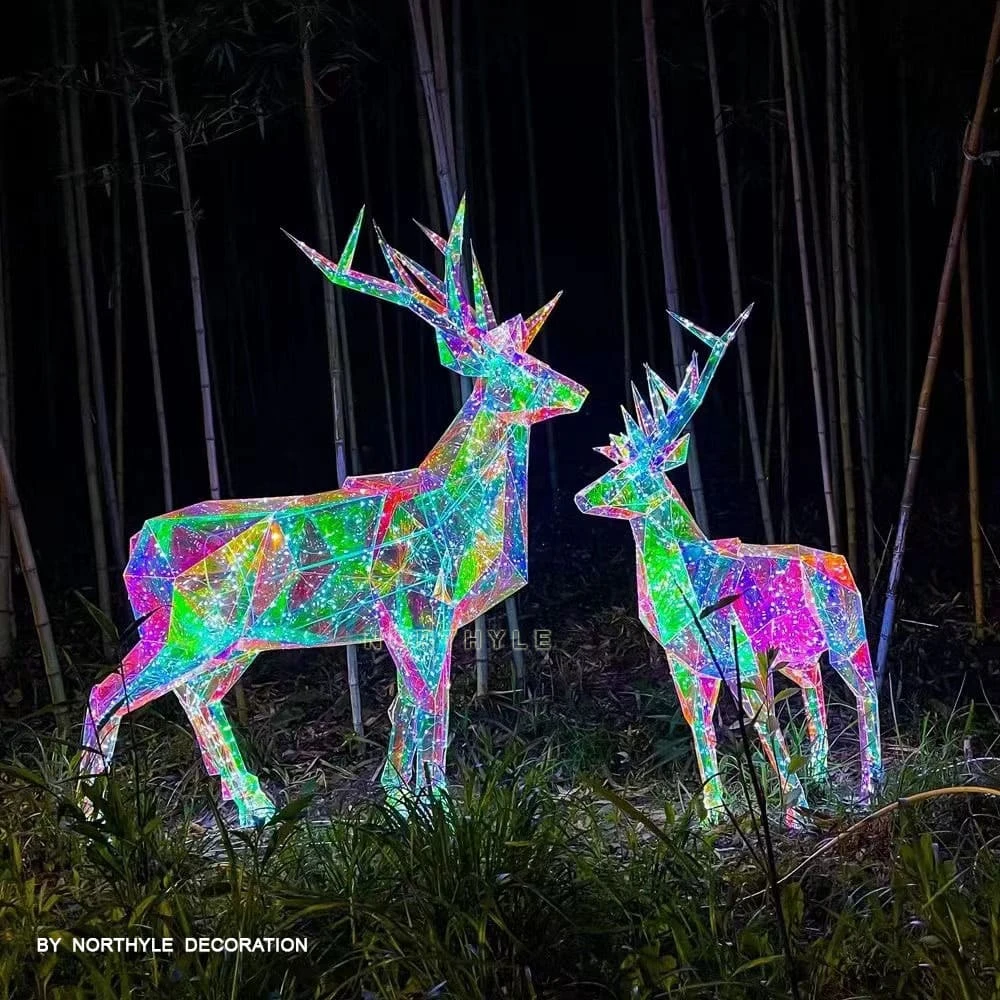
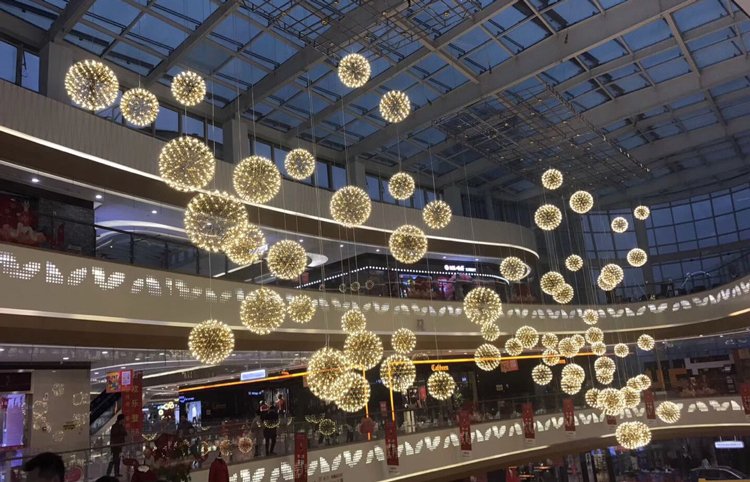
- Commercial Displays: Utilized in large-scale holiday displays due to their energy efficiency and durability.
In conclusion, LED Christmas lights offer numerous benefits in terms of efficiency, safety, and longevity, making them a preferred choice for holiday decorations.
NORTHYLE Pro Tip: Integrating DMX control systems with LED Christmas lighting enables programmable colour transitions, dynamic animation effects, and synchronised multi-zone operation—providing greater flexibility for large-scale commercial and city decoration projects.



 EN
EN  AR
AR  DE
DE  JA
JA  FR
FR  ES
ES  PT
PT  RU
RU